

In order to obtain meaningful change in Iran, one must consider its demographics. We must understand that no single ethno-national group makes up the majority of the population.
Mirsalim: Iran’s Oil Belongs to God and the Prophet
US Report: Iran’s IRGC Recruits Children as Young as 12 for Security Missions
Iran sentences another protester to death
Three-day strike plan against Iran presented to Trump
Police Major Shot Dead in Iran’s Sistan and Baluchestan Province
Police arrest 16 people in operation across Tabriz
Iran targets Kurdish bases in northern Iraq
Putin pledges support to Pezeshkian amid Middle East tensions
Latest figures show changes in Lake Urmia’s water levels
US imposes sanctions on 17 vessels and companies over Iran
Iranian Court Sentences Social Media Activist to Death
Police Officer Killed in Attack Near Zahedan
Police Station Attacked in Iran
Pentagon orders CENTCOM to prepare for possible renewed major strikes on Iran — Axios
Two More Civilians Killed in Zahedan
Vance: Tehran must reduce uranium enrichment to end the war
Trump says Strait of Hormuz belongs to the United States
Two more protesters sentenced to death in Iran
Iranian police killed civilian in Isfahan
Yemen condemns Iran-backed Houthi attacks on Saudi Arabia
Police Allegedly Kill Azerbaijani Young Man in Varzegan
Trump Says Iran Is Responsible for Attempt to Hijack Plane
Hormuz Oil Flows Recover — WSJ
Armed Attack on Border Guards in Iran — One Killed, Two Injured
Netanyahu: Iran’s Leadership Is Fighting for Its Survival and Will Eventually Collapse
Two Police Officers Killed in Iran
Power Outages in Iran to Increase Due to Gas Shortage
Saudi Arabia May Launch Major Operation
Five Prisoners Executed in Three Cities of South Azerbaijan
“This Is Inequality” — Jailé
Trump: Iran Conflict Could End Before Midterm Elections
US Imposes Sanctions on Dozens of Companies Linked to Iran
Three More Protesters in Iran Sentenced to Death
Ardabil Woman Activist Sentenced to Prison and Flogging
Discrimination Against Minorities in Iran Has Also Spread to the Judicial System — Sato
Abbas Lisani denied access to medical treatment
Police post attacked in Sistan and Baluchistan; one killed
Nine more prisoners executed in three Iranian cities
Historic bridge in Ardabil left neglected
Additional restrictions imposed on female prisoners in Tehran
UAE: We reject Iran’s continued occupation of the three islands
Iran ranks highest for racial prejudice among 24 countries, study finds
Social media activist arrested in Qazvin
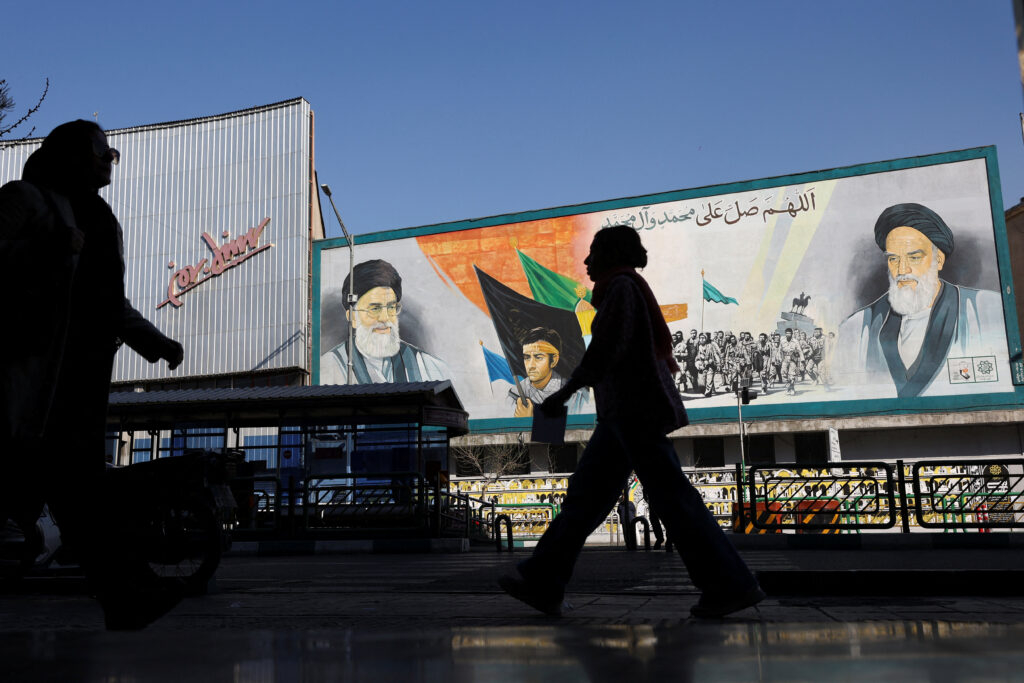
In order to obtain meaningful change in Iran, one must consider its demographics. We must understand that no single ethno-national group makes up the majority of the population.
In recent days, US President Donald Trump has finally come to understand that one cannot make a deal with the Iranian regime.
In sum, one cannot make a deal with a regime that chants “death to America” and “death to Israel,” that establishes terror groups that wage terror attacks across the Free World, that massacres thousands of its own people and seeks to build nuclear weapons to slaughter even more. Given this reality, the only option that should remain on the table is regime change.
However, one must ponder: What is the best way to obtain regime change in Iran? In order to obtain meaningful change in Iran, one must consider its demographics. We must understand that no single ethno-national group makes up the majority of the population.
This means that there is no single ethno-national group that can take on the burden of leading a united front for regime change in Iran. Considering this, the only way to obtain successful regime change is to create a united front of all ethno-national groups, including Azerbaijanis, Persians, Ahwazi Arabs, Baloch, Turkmen, Kurds, Lors, and others.
While this obvious option has been known for decades in Iran, why has this not happened? Everyone needs to understand that the structure of the system that the Iranian government has been running – regardless of their ideology – is set up to serve the Persian nationalist/Aryan ideology only.
Even if a non-Persian is elected president, such as Masoud Pezeshkian, he is unable to reform the system and give the most basic ethnic rights to non-Persians. For instance, last year, he asked the parliament to pass a law to give non-Persian populations two-hour courses per week in ethnic languages.
Pezeshkian’s own deputy in the parliament came up against it, and the entire government, the entire system, was in uproar that this was the start of a separatist movement in Iran, so Pezeshkian backed down.
The Persian nationalists who control everything in the country, including the government, the media, academia, economy, etc., and are extremely influential among the opposition abroad, are not willing to share what they have with other ethno-national groups. They have resorted to encouraging infighting to maintain the reins of power.
For example, the Azerbaijanis have real concerns about their Kurdish neighbors’ territorial claims. Lors want to be known as Lors, not Kurds. Arabs have a similar concern to Azerbaijanis that the Kurds will have a territorial claim in the northern part of Arabstan, otherwise known as Ahwaz (province of Khuzestan).
The Baloch and Turkmen have the same issues regarding migrated Persians in their areas as the other ethno-national groups.
So what is the answer? It seems like the Persian nationalists will never agree to anything but proto-Persian control over Iran. This leaves other ethno-national groups to mend their differences and come up with a united front. The world needs to know that the Persians make up less than 40% of the population. This leaves the majority of the population as non-Persians.
Therefore, their differences must be solved for them to unite and form a united front. But it is difficult to obtain this, even though it has been tried among the ethno-national groups without success.
It seems like countries like the US or Israel that are interested in regime change in Iran must speak to all of the ethno-national groups and help to bring them together, and to encourage them – at least for the time being –to put their differences aside.
When the Iranian government reshaped provincial boundaries, it did so with the intention of knowing that any future ethnic movement would bring ethnic border problems to the surface. For instance, Azerbaijani territories were put in Kermanshah and Kurdistan, both of which are Kurdish-majority provinces.
At the same time, the governments have encouraged non-Arab migration to Ahwaz to change the balance in the province so there would not be an Arab majority. Similarly, the government encouraged Kurdish migration to West Azerbaijan province to create a tiny Kurdish zone between Turkey and South Azerbaijan. The Iranian government has been successful in creating divisions among the ethno-national groups by doing this.
But we must come to our senses that we cannot, and one must not claim other ethnic territories just because there is a specific ethnic group in those provinces. The largest problem seems to be between Kurds and Azerbaijanis.
While we Azerbaijanis have some territories and populations in Kurdish provinces attached to Azerbaijani provinces or Kurdish population in Western Azerbaijani provinces attached to Kurdistan, the best solution is to keep the provincial boundaries as is and deal with the population grievances in those provinces after regime change happens in Iran.
As Azerbaijanis, we believe that the issue of Azerbaijani territories inside Kurdistan and the Kurdish population inside West Azerbaijan can easily be solved by giving both areas ethnic rights, including education in their mother language and their participation alongside representation in the local government.
We can live side by side in peace knowing that infighting between Kurds and Azerbaijanis only benefits the central government in Iran and Persian nationalists. The same formula can be applied to issues regarding Arabs, Kurds, Lors, Baloch, and Turkmen.
For this problem to be solved, we need Western countries such as the US and Israel to jump in and help mend the differences. Communicating with only one or two of the ethno-national groups and ignoring the rest will never be a solution.
As the largest ethnic population in Iran, with over 30 million, we Azerbaijanis are asking our Kurdish neighbors to reconsider their territorial claims and to help create a cooperative atmosphere in which we can destroy the destructive Persian nationalist, theocratic, Islamist government, which threatens world peace and regional stability.
We should fight shoulder-to-shoulder to implement regime change, so that Iran can be a free, democratic, secular, decentralized federal democracy, where the population has the right to be educated in their mother tongue, and all minority rights, women’s rights, LGBT rights, and other basic human rights are respected.
At the same time, if any ethno-national group seeks to secede, they can do so after a UN-monitored referendum in that ethnic area has taken place. Voting for independence is a fundamental human right, as it is practiced in Western countries such as the UK and Canada.
However, all of this should take place after regime change is successfully implemented. It is pivotal to remember that regime change would permit everyone to live in a better world and should be the number one priority now.
Author: AHMAD OBALI
Source: https://www.jpost.com/opinion/article-902911
Iran sentences another protester to death
Police Major Shot Dead in Iran’s Sistan and Baluchestan Province
Iran targets Kurdish bases in northern Iraq
Latest figures show changes in Lake Urmia’s water levels
Iranian Court Sentences Social Media Activist to Death
Police Station Attacked in Iran
Pentagon orders CENTCOM to prepare for possible renewed major strikes on Iran — Axios
Two More Civilians Killed in Zahedan
Trump says Strait of Hormuz belongs to the United States
Iranian police killed civilian in Isfahan
Police Allegedly Kill Azerbaijani Young Man in Varzegan
Armed Attack on Border Guards in Iran — One Killed, Two Injured
Netanyahu: Iran’s Leadership Is Fighting for Its Survival and Will Eventually Collapse
Power Outages in Iran to Increase Due to Gas Shortage
Five Prisoners Executed in Three Cities of South Azerbaijan
“This Is Inequality” — Jailé
Ardabil Woman Activist Sentenced to Prison and Flogging
Police post attacked in Sistan and Baluchistan; one killed
Nine more prisoners executed in three Iranian cities
UAE: We reject Iran’s continued occupation of the three islands
Netanyahu: Iran’s Leadership Is Fighting for Its Survival and Will Eventually Collapse
Police Major Shot Dead in Iran’s Sistan and Baluchestan Province
Two Police Officers Killed in Iran
Power Outages in Iran to Increase Due to Gas Shortage
Hormuz Oil Flows Recover — WSJ
Police Officer Killed in Attack Near Zahedan
Armed Attack on Border Guards in Iran — One Killed, Two Injured
Two More Civilians Killed in Zahedan
Yemen condemns Iran-backed Houthi attacks on Saudi Arabia
Police Station Attacked in Iran
Three-day strike plan against Iran presented to Trump
Police Allegedly Kill Azerbaijani Young Man in Varzegan
Iranian Court Sentences Social Media Activist to Death
Vance: Tehran must reduce uranium enrichment to end the war
Trump Says Iran Is Responsible for Attempt to Hijack Plane
Trump says Strait of Hormuz belongs to the United States
Iran targets Kurdish bases in northern Iraq
Two more protesters sentenced to death in Iran