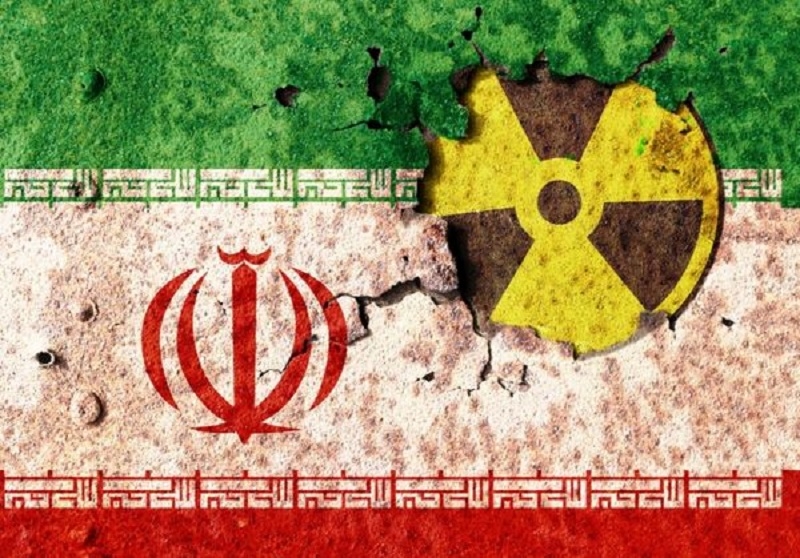
These sanctions will lead to the imposition of a number of new restrictions on Tehran in the nuclear, missile, shipping and financial sectors.
This was written on the "Tabnak" website, which is controlled by Mohsen Rezaei, the former commander-in-chief of the IRGC and a member of the System's Advisory Council.
It was reported that the UN Security Council on September 19 rejected a draft resolution to permanently lift sanctions on Iran, re-enacting and implementing all previous resolutions on Iran.
At the end of August 2025, the three European countries that signed the JCPOA, Britain, France and Germany, announced that they had begun the process of activating the "trigger mechanism"; after an official notification to the UN Security Council, it is considered a final decision that the UN and the European Union can re-impose sanctions against Iran.
The return of UN sanctions means the reactivation of six Security Council resolutions against Iran adopted between 2006 and 2010 and covering broad restrictions. These resolutions were suspended after the signing of the JCPOA and the adoption of Security Council Resolution 2231 in 2015.
The "Tabnak" website also published information about which resolutions will return after the trigger mechanism is activated:
"UN sanctions contained in resolutions 1696, 1737, 1747, 1803, 1835, 1887 and 1929," the information stated, and it was explained in detail what restrictions each of the above-mentioned resolutions will lead to.
Resolution 1696:
- This resolution was adopted on 31 July 2006, in which the UN Security Council called on Iran to suspend its uranium enrichment or face possible diplomatic or economic sanctions. It is a resolution without direct punishment or sanctions provisions under Chapter VII, paragraph 40 of the UN Charter, and was adopted by a vote of 14 in favour to 1 against (Qatar).
Resolution 1696 did not impose an outright arms embargo, but its text called on all states to exercise “vigilance” in the transfer of any items, materials or technology that could contribute to Iran’s missile programmes.
Resolution 1737:
- On December 23, 2006, the Security Council voted to force Iran to stop enriching uranium. Although some of its provisions were changed under pressure from Russia and China, 15 members of the Security Council voted in favor of the resolution. The resolution requires all governments to prohibit the direct or indirect sale, supply or transfer to Iran of items that could be used in Iran's missile and nuclear programs. These include equipment that could be used in uranium enrichment, plutonium reprocessing or heavy water activities.
Resolution 1737 imposes the first financial restrictions, freezing the assets and economic resources of certain individuals and entities and prohibiting the transfer of funds or resources to them.
Resolution 1747:
- On March 24, 2007, the United Nations Security Council, with the full consensus of its 15 permanent and non-permanent members, adopted Resolution 1747 against Iran. The resolution called on all countries of the world to limit cooperation with Iranian companies active in the field of nuclear energy.
Resolution 1747 imposed an outright arms embargo on Iran for the first time. It banned “all exports of arms and related equipment” to Iran.
Resolution 1803:
- Nine months after Resolution 1747, the UN Security Council adopted Resolution 1803 on 3 March 2008, by a vote of 14 in favour and with Venezuela abstaining.
The resolution, which was formally proposed by France and Britain, was adopted under Chapter VII of the UN Charter, which deals with measures to be taken in response to threats to international peace and security, as were previous resolutions.
Resolution 1803 expanded financial restrictions. Paragraph 9 called on governments to exercise “particular vigilance” in providing official financial support for trade with Iran, including export credits and insurance. The aim was to prevent the diversion of these resources to sensitive nuclear activities or the development of nuclear weapon delivery systems.
Paragraph 10 of the resolution also stressed the need to monitor the interaction of financial institutions with Iranian banks, in particular Bank Melli (National Bank) and Bank Saderat, their branches or affiliates. The aim is to ensure that Iran’s banking network cannot use international financial support to develop its nuclear or missile activities.
Resolution 1835:
Resolution 1835 was adopted unanimously on 27 September 2008. all 15 members of the Council at the time, including 5 permanent members and 10 non-permanent members, voted in favor, with no countries voting against or abstaining.
In Resolution 1835, the UN Security Council, citing a new report by then-Director General of the International Atomic Energy Agency, Mohamed ElBaradei, which highlighted Iran’s failure to suspend uranium enrichment, called on Tehran to comply immediately and fully with the provisions of previous Council resolutions and the demands of IAEA members to suspend its nuclear program.
Resolution 1887:
Adopted on September 24, 2009. This resolution was also adopted by the Council with 15 votes in favor and in this resolution Iran was asked to comply with previous resolutions.
Resolution 1929:
- On June 9, 2010, the UN Security Council adopted Resolution 1929 against Iran, increasing the scope and severity of sanctions against Tehran. The resolution builds on three previous Security Council resolutions against Iran and includes new measures to apply sanctions pressure.
At the same time, the text of the resolution emphasizes that the permanent members of the Security Council will continue to engage in dialogue for a peaceful solution to Iran's nuclear program. The Council also stated that the sanctions will target individuals, legal entities and companies involved in the development of Iran's nuclear program.