

The Jerusalem Post published an article (by Rachel Avraham) about Iran’s repression of Azerbaijani identity.
“This Is Inequality” — Jailé
Trump: Iran Conflict Could End Before Midterm Elections
US Imposes Sanctions on Dozens of Companies Linked to Iran
Three More Protesters in Iran Sentenced to Death
Ardabil Woman Activist Sentenced to Prison and Flogging
Discrimination Against Minorities in Iran Has Also Spread to the Judicial System — Sato
Abbas Lisani denied access to medical treatment
Police post attacked in Sistan and Baluchistan; one killed
Nine more prisoners executed in three Iranian cities
Historic bridge in Ardabil left neglected
Additional restrictions imposed on female prisoners in Tehran
UAE: We reject Iran’s continued occupation of the three islands
Iran ranks highest for racial prejudice among 24 countries, study finds
Social media activist arrested in Qazvin
Tabriz municipal drivers stage protest
79 prisoners executed in 24 Iranian prisons
Iranian expert warns of risks to flights over Azerbaijan
Five Iranian servicemen died in Iraq
Six more teachers arrested in Iran
Iranian police shoot dead 9-year-old boy
Qashqai Woman Activist Arrested in Iran
Iran Will Not Make Nuclear Concessions, Iranian Official Says
Armed Clash Reported in Sistan and Baluchistan, One Killed
Death Sentence for Azerbaijani Activist Confirmed
Two More Prisoners Executed in Ahvaz and Isfahan
80 Countries Call for Restoration of Shipping Through Strait of Hormuz
Another Political Prisoner Sentenced to Death in Iran
WSJ: Chinese Shipments Help Sustain Iran’s Weapons Programs
35 More Students Suspended from University in Iran
IRGC Brigadier General and Military Intelligence Chief Killed in Iran
Increase in Afghan Fighters Reported in Sistan and Baluchistan
AP: IRGC Forces Helped Houthis Seize Yemen’s Red Sea Coast
Seven more prisoners reportedly executed in three cities
Trump shares Hikmet Hajiyev interview, says deal with Iran is possible
Trump: Iran could eventually lose the opportunity to “survive as a nation.”
Iranian airlines' flights to Azerbaijan suspended from today
Iran says it can target large enemy vessels with ballistic missiles
Pezeshkian faces criticism over UN trip
China offers to pressure Iran in exchange for Taiwan concessions
Two more prisoners executed in Iran
Police officer killed in Iran
Iran’s New School Year Begins — Pezeshkian Has Forgotten His Promise
Iran reports 760 vessels damaged in Bandar Abbas attacks
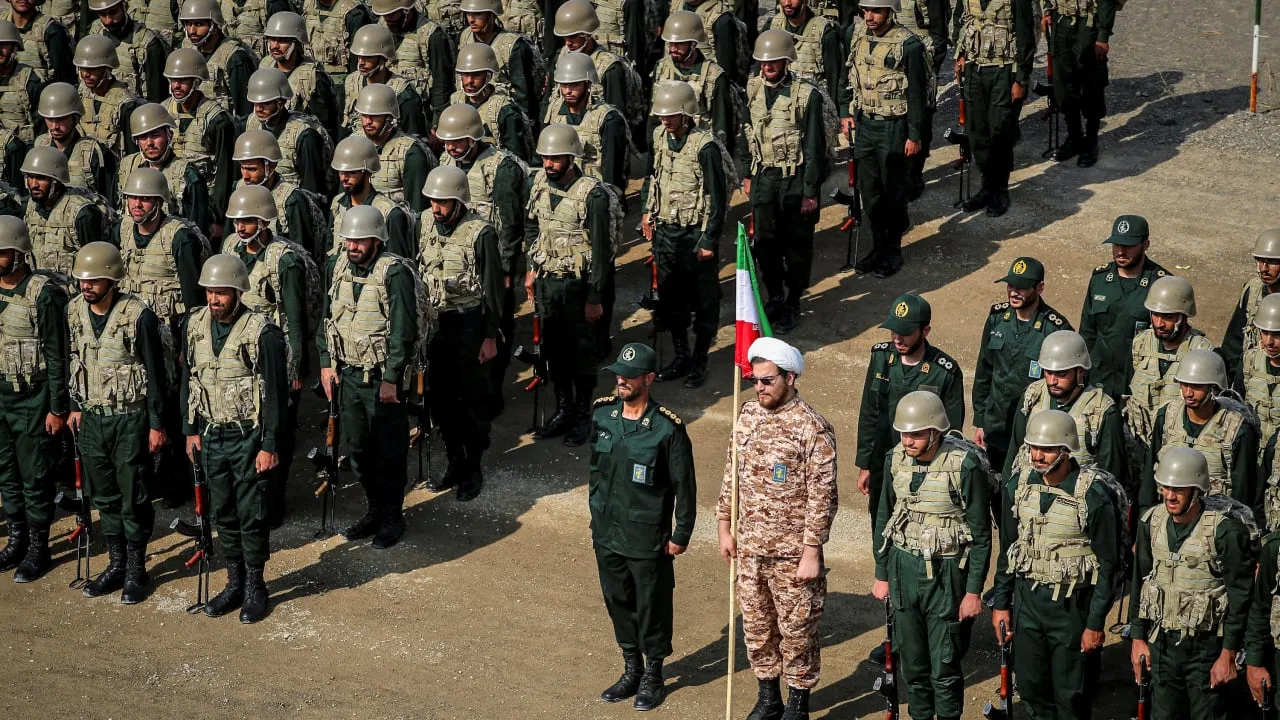
The Jerusalem Post published an article (by Rachel Avraham) about Iran’s repression of Azerbaijani identity.
Two recent appeals issued by South Azerbaijani political and civic organizations expose a long-suppressed reality inside the Islamic Republic of Iran: the systematic repression of Azerbaijani identity, language, and political expression.
One document addresses the people of South Azerbaijan and other Turkic communities living under Iranian rule. The other is a direct appeal to US President Donald Trump. Read together, they form a clear indictment of Tehran’s domestic policies and a call for international engagement.
South Azerbaijan is not an administrative province but an ethnic-political term referring to the Azerbaijani-populated regions of northwestern Iran. An estimated 25 to 30 million ethnic Azerbaijanis live in these areas, making them Iran’s largest non-Persian population. Yet despite their size and historical presence, Azerbaijanis remain politically marginalized and culturally constrained.
The Appeal of the South Azerbaijani Organizations to the People of South Azerbaijan and Other Turkic Communities Living in the Geography of Iran states unequivocally that Iran’s political system is built on the denial of minority rights. The document accuses the regime of enforcing assimilation through bans on Azerbaijani-language education, suppression of cultural expression, and criminalization of peaceful activism.
“Our mother tongue is excluded from schools, our cultural institutions are restricted, and our activists are imprisoned under vague security charges,” the appeal declares. It urges Azerbaijani Turks and other Turkic communities to preserve their identity through civic unity, cultural awareness, and peaceful resistance to state-imposed erasure.
Language repression stands at the center of these grievances. Despite international conventions guaranteeing minority linguistic rights, Azerbaijani Turkish is prohibited as a language of instruction in Iran. Teachers, writers, and cultural organizers have faced arrest simply for promoting education in their native language. Public celebrations of Azerbaijani culture are monitored or shut down, and children grow up denied formal access to their own linguistic heritage.
The second document, Letter from South Azerbaijan Republicans to Donald Trump, President of the United States, shifts the focus outward. It directly urges Washington to recognize that Iran’s internal repression is inseparable from its external aggression.
“We call on the President of the United States to support the fundamental rights of the Azerbaijani people in Iran, including education in their mother tongue and genuine political representation,” the letter states. It argues that a regime that suppresses millions of its own citizens cannot be a stabilizing force regionally or globally.
The letter explicitly asks Trump to stand with the people of South Azerbaijan against “systematic discrimination and forced assimilation,” framing Azerbaijani rights as a human rights issue rather than an internal Iranian matter.
This appeal reflects growing frustration with international silence as arrests of Azerbaijani activists continue, often following peaceful demonstrations related to environmental concerns, cultural rights, or historical commemorations.
For Israeli readers, these documents provide critical insight into Iran’s internal vulnerabilities. Tehran’s repression of ethnic minorities mirrors the coercive ideology it exports beyond its borders. A regime that criminalizes cultural identity at home is unlikely to respect sovereignty or pluralism abroad. Understanding the internal dynamics of Iran’s Turkic population offers a clearer picture of the pressures shaping the Islamic Republic.
For Azerbaijan, the issue is inherently sensitive. Baku has consistently adhered to a policy of non-interference in Iran’s internal affairs. Yet the appeals underscore an undeniable reality: Millions of ethnic Azerbaijanis across the border are denied the cultural and linguistic rights that Azerbaijan has institutionalized as a sovereign state.
What distinguishes these documents from earlier expressions of dissent is their method. They do not call for violence or instability. Instead, they articulate grievances in legal, civic, and moral terms designed to resonate internationally. This represents a strategic refinement in South Azerbaijani political communication – one aimed at accountability rather than provocation.
For Washington, the message is direct. Iran policy cannot remain narrowly focused on nuclear negotiations and regional militancy while ignoring systematic internal repression. Supporting the cultural and linguistic rights of South Azerbaijanis is not an act of escalation; it is a challenge to a regime that depends on enforced silence to maintain control.
These appeals do not predict immediate transformation. But they signal a growing unwillingness among Iran’s Azerbaijani population to accept invisibility. They demonstrate that the issue of South Azerbaijan has moved beyond local activism into the international arena. And they illustrate a reality Tehran has long tried to obscure: Iran’s internal cohesion is far more fragile than its official narrative suggests.
Whether the United States chooses to respond remains uncertain. What is clear is that South Azerbaijan has spoken – clearly, publicly, and directly – and is demanding that the world, at last, listen.
Ardabil Woman Activist Sentenced to Prison and Flogging
Police post attacked in Sistan and Baluchistan; one killed
Nine more prisoners executed in three Iranian cities
UAE: We reject Iran’s continued occupation of the three islands
Iran ranks highest for racial prejudice among 24 countries, study finds
Social media activist arrested in Qazvin
79 prisoners executed in 24 Iranian prisons
Iranian expert warns of risks to flights over Azerbaijan
Six more teachers arrested in Iran
Iranian police shoot dead 9-year-old boy
Armed Clash Reported in Sistan and Baluchistan, One Killed
Death Sentence for Azerbaijani Activist Confirmed
Another Political Prisoner Sentenced to Death in Iran
35 More Students Suspended from University in Iran
Increase in Afghan Fighters Reported in Sistan and Baluchistan
AP: IRGC Forces Helped Houthis Seize Yemen’s Red Sea Coast
Trump shares Hikmet Hajiyev interview, says deal with Iran is possible
Trump: Iran could eventually lose the opportunity to “survive as a nation.”
Iranian airlines' flights to Azerbaijan suspended from today
Pezeshkian faces criticism over UN trip
Death Sentence for Azerbaijani Activist Confirmed
80 Countries Call for Restoration of Shipping Through Strait of Hormuz
Two More Prisoners Executed in Ahvaz and Isfahan
Armed Clash Reported in Sistan and Baluchistan, One Killed
Another Political Prisoner Sentenced to Death in Iran
Iranian police shoot dead 9-year-old boy
Iran Will Not Make Nuclear Concessions, Iranian Official Says
UAE: We reject Iran’s continued occupation of the three islands
79 prisoners executed in 24 Iranian prisons
Qashqai Woman Activist Arrested in Iran
Iranian expert warns of risks to flights over Azerbaijan
Six more teachers arrested in Iran
Iran ranks highest for racial prejudice among 24 countries, study finds
Five Iranian servicemen died in Iraq
Social media activist arrested in Qazvin
Tabriz municipal drivers stage protest
Nine more prisoners executed in three Iranian cities
Historic bridge in Ardabil left neglected