

According to the "Times of Israel", the recent death of Iran’s President Raisi marks a significant juncture and presents a unique opportunity for the international community to force Tehran into serious negotiations regarding its nuclear program.
38 Women and Children Killed in Iran Over Two Months
Tabriz Activist Mehrdad Qadiri Arrested
Iran’s Oil Reserves Stored on Tankers Run Dry Amid US Blockade – WSJ
Trump Says US Will Reach an Outcome on Iran “One Way or the Other” Soon
Al-Akhbar: US issues final warning to Iran over strikes on nuclear facilities
Arabian Gulf oil exports exceed prewar levels despite Iranian attacks — WSJ
Renewed US-Israeli attacks on Iran remain possible, FT reports
Two Lawyers Arrested in Tabriz
Amnesty International Raises Alarm Over Executions in Iran
Anti-Azerbaijan Protest Held in Tehran
Political Prisoner Dies in Karaj Prison
Iran Arrests 39 People Over January Protests
Israel’s Foreign Minister Accuses Iran of Hypocrisy Over Comments on France’s Protest Crackdown
US Attack on Iran Possible, Araghchi Warns
Vance Says He and Trump Share the Same Approach to Military Action Against Iran
IRGC Helping Direct Houthi Attacks, Media Reports
Saudi Arabia Accuses Iran of Fueling Increased Houthi Attacks
Another Cleric Killed in Iran
Kurdish Party Reasserts Territorial Claims Against Azerbaijan
Anti-Azerbaijan Protest Held in Mashhad
Israeli President: Azerbaijan is a very tolerant country, Baku taking important steps for international peace under such circumstances
US Weighs Deploying ‘Mother of All Bombs’ in Potential Strikes on Iran – CNN
Islamic Republic Could Fall Under These Circumstances – Ardestani
Women’s Basij Unit Commander Killed in Shooting in Sistan and Baluchestan
Iranian Police Shoot and Kill Three Civilians
Four More Prisoners Executed in Three Iranian Cities
Qatar’s Emir Accuses Iran of Violating the Country’s Sovereignty
Lake Urmia’s ecological balance remains unrestored, official says
WSJ: Iran threatens to deploy troops into neighboring countries as it prepares for renewed war
Chinese Foreign Minister Wang Yi to Visit Azerbaijan
Israeli President Isaac Herzog to Visit Azerbaijan
Hundreds of armed fighters sent into Iran, state-linked media reports
Iran’s Supreme Court Upholds Death Sentence of Another Political Prisoner
Armed Clashes in Iran Leave Dead
Isfahan Judiciary Chief Threatens Women Who Do Not Wear Hijab
Ideological Centers in Iran Call for Provocations in Azerbaijan
Mirsalim: Iran’s Oil Belongs to God and the Prophet
US Report: Iran’s IRGC Recruits Children as Young as 12 for Security Missions
Iran sentences another protester to death
Three-day strike plan against Iran presented to Trump
Police Major Shot Dead in Iran’s Sistan and Baluchestan Province
Police arrest 16 people in operation across Tabriz
Iran targets Kurdish bases in northern Iraq
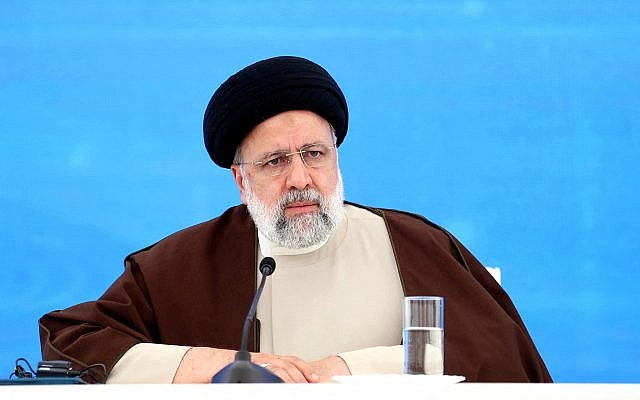
According to the "Times of Israel", the recent death of Iran’s President Raisi marks a significant juncture and presents a unique opportunity for the international community to force Tehran into serious negotiations regarding its nuclear program.
Sanctions, often criticized for limited success, can be highly effective when imposed strategically during periods of political transition. as Iran navigates this leadership change, now is the time to leverage economic pressure to achieve a long-sought goal: a strong agreement that limits its nuclear ambitions.
Sanctions have emerged as a favored tool in the international community’s arsenal, serving as a non-military means to enforce compliance, deter aggression, and promote human rights.
Their impact varies widely, depending on factors such as the target’s resilience, the scope of international cooperation, and the presence of alternative sources of support. However, when used appropriately, sanctions can be a powerful tool for forcing states to change their behavior without resorting to military intervention.
The current geopolitical climate, marked by the demise of the second most important figure in Iran and Khamenei’s future successor, creates a moment of vulnerability and a rare opportunity to take advantage of the internal Iranian chaos.
To capitalize on this opportunity, the US and its allies must implement a broad strategy that intensifies economic pressure and clearly demonstrates to Tehran the benefits of compliance.
First, reinforcing existing sanctions through international cooperation, in an effort to prevent any loopholes that might undermine their effectiveness. Second, imposing new sanctions, focusing on critical sectors of Iran’s economy, such as oil exports and banking, which are vital to its financial stability. Third, instead of viewing sanctions solely as a tool for isolation, decision makers should recognize that they are a means, not an end.
Moreover, especially in these dramatic days, the Iranian public, exhausted from economic deprivation and international isolation, may push for significant changes in the country after the brutal oppression under Raisi.
The death of Iran’s president presents an unprecedented opportunity to revive efforts towards a nuclear agreement from a position of strength. By leveraging the economic impact of sanctions during this period of political transition, the international community can push Tehran into a corner.
This strategy requires a delicate balance of pressure and diplomacy, ensuring that the ultimate goal – preventing Iran from developing nuclear weapons is achieved without risking a wide conflict.
GunazTV
Tabriz Activist Mehrdad Qadiri Arrested
Trump Says US Will Reach an Outcome on Iran “One Way or the Other” Soon
Arabian Gulf oil exports exceed prewar levels despite Iranian attacks — WSJ
Renewed US-Israeli attacks on Iran remain possible, FT reports
Amnesty International Raises Alarm Over Executions in Iran
Anti-Azerbaijan Protest Held in Tehran
Political Prisoner Dies in Karaj Prison
Israel’s Foreign Minister Accuses Iran of Hypocrisy Over Comments on France’s Protest Crackdown
US Attack on Iran Possible, Araghchi Warns
IRGC Helping Direct Houthi Attacks, Media Reports
Saudi Arabia Accuses Iran of Fueling Increased Houthi Attacks
Kurdish Party Reasserts Territorial Claims Against Azerbaijan
Anti-Azerbaijan Protest Held in Mashhad
US Weighs Deploying ‘Mother of All Bombs’ in Potential Strikes on Iran – CNN
Women’s Basij Unit Commander Killed in Shooting in Sistan and Baluchestan
Iranian Police Shoot and Kill Three Civilians
Four More Prisoners Executed in Three Iranian Cities
Qatar’s Emir Accuses Iran of Violating the Country’s Sovereignty
Lake Urmia’s ecological balance remains unrestored, official says
Chinese Foreign Minister Wang Yi to Visit Azerbaijan
Anti-Azerbaijan Protest Held in Mashhad
US Weighs Deploying ‘Mother of All Bombs’ in Potential Strikes on Iran – CNN
Arabian Gulf oil exports exceed prewar levels despite Iranian attacks — WSJ
Saudi Arabia Accuses Iran of Fueling Increased Houthi Attacks
Al-Akhbar: US issues final warning to Iran over strikes on nuclear facilities
Anti-Azerbaijan Protest Held in Tehran
Kurdish Party Reasserts Territorial Claims Against Azerbaijan
Renewed US-Israeli attacks on Iran remain possible, FT reports
Israel’s Foreign Minister Accuses Iran of Hypocrisy Over Comments on France’s Protest Crackdown
Another Cleric Killed in Iran
Vance Says He and Trump Share the Same Approach to Military Action Against Iran
Israeli President: Azerbaijan is a very tolerant country, Baku taking important steps for international peace under such circumstances
IRGC Helping Direct Houthi Attacks, Media Reports
Iran Arrests 39 People Over January Protests
US Attack on Iran Possible, Araghchi Warns
Political Prisoner Dies in Karaj Prison
Amnesty International Raises Alarm Over Executions in Iran
Two Lawyers Arrested in Tabriz