

The presence of a large Azerbaijani community in Iran may have defused tensions between Baku and Tehran.
38 Women and Children Killed in Iran Over Two Months
Tabriz Activist Mehrdad Qadiri Arrested
Iran’s Oil Reserves Stored on Tankers Run Dry Amid US Blockade – WSJ
Trump Says US Will Reach an Outcome on Iran “One Way or the Other” Soon
Al-Akhbar: US issues final warning to Iran over strikes on nuclear facilities
Arabian Gulf oil exports exceed prewar levels despite Iranian attacks — WSJ
Renewed US-Israeli attacks on Iran remain possible, FT reports
Two Lawyers Arrested in Tabriz
Amnesty International Raises Alarm Over Executions in Iran
Anti-Azerbaijan Protest Held in Tehran
Political Prisoner Dies in Karaj Prison
Iran Arrests 39 People Over January Protests
Israel’s Foreign Minister Accuses Iran of Hypocrisy Over Comments on France’s Protest Crackdown
US Attack on Iran Possible, Araghchi Warns
Vance Says He and Trump Share the Same Approach to Military Action Against Iran
IRGC Helping Direct Houthi Attacks, Media Reports
Saudi Arabia Accuses Iran of Fueling Increased Houthi Attacks
Another Cleric Killed in Iran
Kurdish Party Reasserts Territorial Claims Against Azerbaijan
Anti-Azerbaijan Protest Held in Mashhad
Israeli President: Azerbaijan is a very tolerant country, Baku taking important steps for international peace under such circumstances
US Weighs Deploying ‘Mother of All Bombs’ in Potential Strikes on Iran – CNN
Islamic Republic Could Fall Under These Circumstances – Ardestani
Women’s Basij Unit Commander Killed in Shooting in Sistan and Baluchestan
Iranian Police Shoot and Kill Three Civilians
Four More Prisoners Executed in Three Iranian Cities
Qatar’s Emir Accuses Iran of Violating the Country’s Sovereignty
Lake Urmia’s ecological balance remains unrestored, official says
WSJ: Iran threatens to deploy troops into neighboring countries as it prepares for renewed war
Chinese Foreign Minister Wang Yi to Visit Azerbaijan
Israeli President Isaac Herzog to Visit Azerbaijan
Hundreds of armed fighters sent into Iran, state-linked media reports
Iran’s Supreme Court Upholds Death Sentence of Another Political Prisoner
Armed Clashes in Iran Leave Dead
Isfahan Judiciary Chief Threatens Women Who Do Not Wear Hijab
Ideological Centers in Iran Call for Provocations in Azerbaijan
Mirsalim: Iran’s Oil Belongs to God and the Prophet
US Report: Iran’s IRGC Recruits Children as Young as 12 for Security Missions
Iran sentences another protester to death
Three-day strike plan against Iran presented to Trump
Police Major Shot Dead in Iran’s Sistan and Baluchestan Province
Police arrest 16 people in operation across Tabriz
Iran targets Kurdish bases in northern Iraq
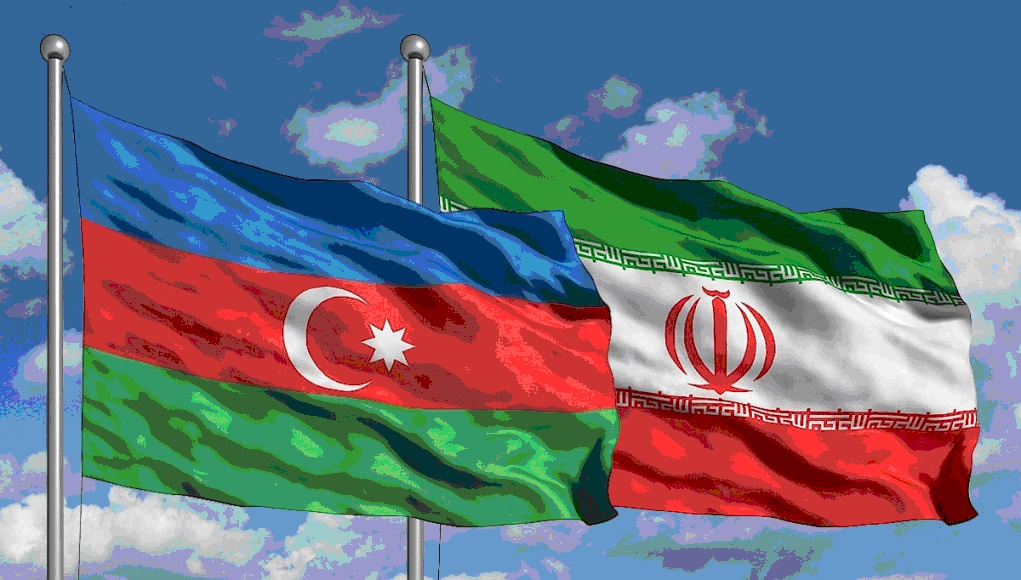
The presence of a large Azerbaijani community in Iran may have defused tensions between Baku and Tehran.
Whatever the future of the current war and Iran will be, the country’s neighbors will have to deal with the consequences and aftermath of this new conflict. One country that has a complex relationship with the Islamic Republic is the Republic of Azerbaijan.
When the war commenced, several analyses expressed concern that the conflict would spill over into the Caucasus and affect the already fragile relations between Armenia and Azerbaijan. So far, this has not occurred as both Yerevan and Baku want to remain neutral.
With that said, while the hostilities have primarily focused on Iranian territory and the territories of the Arab states and Israel, one incident brought the Caucasus into the discussion of a potential expansion of the war. On March 5, Iranian dronescrossed into Azerbaijani territory and attacked the Nakhchivan International Airport, in the Nakhchivan Autonomous Republic, a region of Azerbaijan that borders Iran. Another Iranian drone reportedly hit a school in Shakarabad. Some civilians were injured, and there was significant damage at the airport, but there were no confirmed fatalities.
Thankfully, the incident in Nakhchivan did not escalate. There was a temporary escalation in rhetoric from both Baku and Tehran, including threats of retaliation. However, the two governments quickly engaged in diplomatic dialogue, and no further incidents have been reported since then.
To improve bilateral relations and reduce tensions with Tehran, the Azerbaijani government chose the path of humanitarian assistance. Specifically, Baku has sent hundreds of tons of humanitarian aid, including food products (flour, rice, sugar, tea, and water) and medical supplies, to Iran to help the civilian population (primarily the Azerbaijani people of Iran) affected by the war.
The shipments coincided with Ramadan and Nowruz, and it is unclear if they will continue now that the religious celebrations are over. Much will depend on whether there is a new round of warfare between the Islamic Republic and the United States and Israel, and the future of the Strait of Hormuz.
Azerbaijan and Iran have a complex relationship: the Islamic Republic recognized Azerbaijan’s independence on December 25, 1991. Since then, there have been occasional presidential and ministerial meetings, and there is even a Working Group for Azerbaijani-Iranian Inter-Parliamentary Relations in the Azerbaijani Parliament.
However, one major source of concern for Iran is the tens of millions of Azerbaijanis living in Iran, primarily in the Ardabil, East Azerbaijan, West Azerbaijan, and Zanjan provinces. Like many other non-Persian peoples that live in Iran, Azerbaijanis were treated like second-class citizens during the Pahlavi dynasty and have continued to be badly treated by the Islamic Republic.
While Azerbaijanis are better integrated in Iran than other ethnic minorities in the Middle East, Iranian authorities restrictthe use and teaching of the Azerbaijani language, cultural traditions, and history. Tehran is likely concerned that the Azerbaijanis may one day demand autonomy or independence and has opted for a coercive solution. Iran is also in the throes of several environmental crises. The country has suffered drought for several years, and before the war commenced, the Iranian government was even considering moving its capitalfrom Tehran. The situation is no better in northern Iran: the loss of Lake Urmia has created a water crisis for the local, largely Azerbaijani, population.
With that said, the Islamic Republic will continue to view the general population, and non-Persian peoples in particular, with distrust. During a conference about the war on April 1, Karim Sadjadpour, a senior fellow at the Carnegie Endowment for International Peace, explained that “when the air strikes stop, will popular uprisings occur? I think that we will see an Islamic regime that will be more brutal than before,” adding that “after the war, the Islamic republic will inherit a country in ruins: tens of billions of dollars in damages, and a population that hates them, so the Islamic Republic’s mentality is kill or be killed.”
In other words, Tehran may be more repressive towards its population in the near future to ensure there are no potential uprisings and attempts at a civilian coup. Rumors of American and Israeli attempts to arm and mobilize Iran’s Kurds against the Islamic Republic may also augur a hardline policy from the government against ethnic minorities deemed disloyal. Hence, Azerbaijanis may attract some of this new wave of repression.
So far, there are no reports of new massacres carried out by the Islamic Republic, like those carried out during the January protests, though some executions have already occurred. Tehran has imposed an internet blackout, which prevents the rest of the world from gaining further information about what new repressive activities the Islamic Republic is carrying out, and if any non-Persian groups have been specifically targeted.
As for the future of Tehran-Baku relations, much will depend on the future of the conflict. Baku will want to remain neutral and avoid being dragged into the war. It is unlikely that Tehran will want to open a new theater of military operations by attacking its northern neighbor. Unfortunately, the suffering of the civilian population of Iran—Azerbaijanis, Persians, and everyone else—is unlikely to abate.
Tabriz Activist Mehrdad Qadiri Arrested
Trump Says US Will Reach an Outcome on Iran “One Way or the Other” Soon
Arabian Gulf oil exports exceed prewar levels despite Iranian attacks — WSJ
Renewed US-Israeli attacks on Iran remain possible, FT reports
Amnesty International Raises Alarm Over Executions in Iran
Anti-Azerbaijan Protest Held in Tehran
Political Prisoner Dies in Karaj Prison
Israel’s Foreign Minister Accuses Iran of Hypocrisy Over Comments on France’s Protest Crackdown
US Attack on Iran Possible, Araghchi Warns
IRGC Helping Direct Houthi Attacks, Media Reports
Saudi Arabia Accuses Iran of Fueling Increased Houthi Attacks
Kurdish Party Reasserts Territorial Claims Against Azerbaijan
Anti-Azerbaijan Protest Held in Mashhad
US Weighs Deploying ‘Mother of All Bombs’ in Potential Strikes on Iran – CNN
Women’s Basij Unit Commander Killed in Shooting in Sistan and Baluchestan
Iranian Police Shoot and Kill Three Civilians
Four More Prisoners Executed in Three Iranian Cities
Qatar’s Emir Accuses Iran of Violating the Country’s Sovereignty
Lake Urmia’s ecological balance remains unrestored, official says
Chinese Foreign Minister Wang Yi to Visit Azerbaijan
Anti-Azerbaijan Protest Held in Mashhad
US Weighs Deploying ‘Mother of All Bombs’ in Potential Strikes on Iran – CNN
Arabian Gulf oil exports exceed prewar levels despite Iranian attacks — WSJ
Saudi Arabia Accuses Iran of Fueling Increased Houthi Attacks
Al-Akhbar: US issues final warning to Iran over strikes on nuclear facilities
Anti-Azerbaijan Protest Held in Tehran
Kurdish Party Reasserts Territorial Claims Against Azerbaijan
Renewed US-Israeli attacks on Iran remain possible, FT reports
Israel’s Foreign Minister Accuses Iran of Hypocrisy Over Comments on France’s Protest Crackdown
Another Cleric Killed in Iran
Vance Says He and Trump Share the Same Approach to Military Action Against Iran
Israeli President: Azerbaijan is a very tolerant country, Baku taking important steps for international peace under such circumstances
IRGC Helping Direct Houthi Attacks, Media Reports
Iran Arrests 39 People Over January Protests
US Attack on Iran Possible, Araghchi Warns
Political Prisoner Dies in Karaj Prison
Amnesty International Raises Alarm Over Executions in Iran
Two Lawyers Arrested in Tabriz