

The world should have been outraged by her execution, yet they were deathly silent, preferring to focus on other issues, as if it did not matter.
“This Is Inequality” — Jailé
Trump: Iran Conflict Could End Before Midterm Elections
US Imposes Sanctions on Dozens of Companies Linked to Iran
Three More Protesters in Iran Sentenced to Death
Ardabil Woman Activist Sentenced to Prison and Flogging
Discrimination Against Minorities in Iran Has Also Spread to the Judicial System — Sato
Abbas Lisani denied access to medical treatment
Police post attacked in Sistan and Baluchistan; one killed
Nine more prisoners executed in three Iranian cities
Historic bridge in Ardabil left neglected
Additional restrictions imposed on female prisoners in Tehran
UAE: We reject Iran’s continued occupation of the three islands
Iran ranks highest for racial prejudice among 24 countries, study finds
Social media activist arrested in Qazvin
Tabriz municipal drivers stage protest
79 prisoners executed in 24 Iranian prisons
Iranian expert warns of risks to flights over Azerbaijan
Five Iranian servicemen died in Iraq
Six more teachers arrested in Iran
Iranian police shoot dead 9-year-old boy
Qashqai Woman Activist Arrested in Iran
Iran Will Not Make Nuclear Concessions, Iranian Official Says
Armed Clash Reported in Sistan and Baluchistan, One Killed
Death Sentence for Azerbaijani Activist Confirmed
Two More Prisoners Executed in Ahvaz and Isfahan
80 Countries Call for Restoration of Shipping Through Strait of Hormuz
Another Political Prisoner Sentenced to Death in Iran
WSJ: Chinese Shipments Help Sustain Iran’s Weapons Programs
35 More Students Suspended from University in Iran
IRGC Brigadier General and Military Intelligence Chief Killed in Iran
Increase in Afghan Fighters Reported in Sistan and Baluchistan
AP: IRGC Forces Helped Houthis Seize Yemen’s Red Sea Coast
Seven more prisoners reportedly executed in three cities
Trump shares Hikmet Hajiyev interview, says deal with Iran is possible
Trump: Iran could eventually lose the opportunity to “survive as a nation.”
Iranian airlines' flights to Azerbaijan suspended from today
Iran says it can target large enemy vessels with ballistic missiles
Pezeshkian faces criticism over UN trip
China offers to pressure Iran in exchange for Taiwan concessions
Two more prisoners executed in Iran
Police officer killed in Iran
Iran’s New School Year Begins — Pezeshkian Has Forgotten His Promise
Iran reports 760 vessels damaged in Bandar Abbas attacks
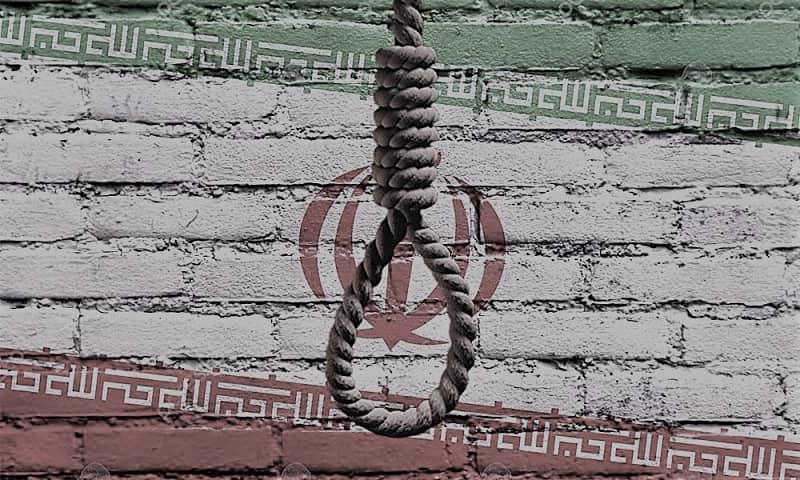
The world should have been outraged by her execution, yet they were deathly silent, preferring to focus on other issues, as if it did not matter.
By Rachel Abraham
The writer is the CEO of the Dona Gracia Center for Diplomacy and an Israel-based journalist. She is the author of Women and Jihad: Debating Palestinian Female Suicide Bombings in the American, Israeli and Arab Media.
Recently, The Jerusalem Post reported that the Iranian regime hanged Hanifeh Avandi, a 24-year-old Iranian South Azerbaijani victim of child marriage, who had documented psychological problems. However, no one else reported on this atrocious case, except for a few Iranian human rights organizations. The question I find myself asking is, why did the Western media ignore her plight?
The case of Hanifeh Avandi should interest Western audiences. In fact, it should interest not just Western audiences but anyone who proclaims to care about minority rights, women’s rights, and human rights. For anyone who is crying with the Iranian people as they face increased repression during this cease-fire, this case should resonate. However, it is unfortunate that people are not paying close enough attention to what is happening inside Iran domestically.
Human rights activist Turkan Bozkurt stated in an interview, “Hanifeh Avandi was hanged at Tabriz Central Prison at dawn on April 19, 2026. She was 24 years old, Iranian Azerbaijani, and had been married by her family at the age of 17 to a severely disabled man. She killed him eleven months into the marriage.
“Her prison physician, Dr. Davari, documented in repeated medical reports that Avandi suffered from acute psychological problems, was under continuous medical supervision, and had been placed in ‘unjust circumstances’ that, in his recorded assessment, should have precluded a death sentence.”
For a child to be forced into marriage is a form of rape. If the child had preexisting psychological problems before experiencing such sexual abuse, then she definitely did not deserve the death penalty, even if she killed her husband.
If this had happened anywhere else in the world, Avandi would have been placed in a psychiatric institution to get treatment, first for the sexual abuse she endured and then for her underlying psychological problems, which pre-existed the marriage. The death penalty would have been unimaginable.
The world should have been outraged by her execution, yet they were deathly silent, preferring to focus on other issues, as if the execution of an Iranian South Azerbaijani child bride in the Islamic Republic did not matter.
According to Bozkurt, “The execution was carried out in secret. Iranian state and judiciary-affiliated media made no announcement, consistent with the broader pattern in which roughly 88% of executions in Azerbaijani, Kurdish, and Baluch provinces proceed without official acknowledgment. The structural conditions that produced Avandi’s case are neither unusual nor contested among researchers.”
“Hanifeh Avandi has a name, and that alone places her in a minority,” he continued. “The conditions that produced her death, forced marriage as a child, a husband she could not leave, a legal system that gave his family the right to kill her, and a prison physician whose objections carried no binding force, are not exceptional features of her case.
“They are the operating conditions of a system that processes thousands of women in the same way, most of whom die without documentation, without a physician’s report entering the public record, and without a rights organization learning their name in time to act.”
Sociologist Sevil Suleymani proclaimed that Hanafi’s case is not at all unusual in Iran: “We have seen this before in the case of Rahele Zamani, who was also executed, demonstrating that Hanifa is one among many women whose lives are shaped by a system that enforces child marriage and later creates structural barriers to divorce.
“Many of these women experience what can be described as structural intersectionality: the overlapping effects of gender inequality, ethnic marginalization, and class disadvantage. They often grow up with limited access to education, legal resources, and social support. Language barriers, particularly for those less fluent in Farsi, further restrict their ability to navigate legal systems or advocate for themselves.”
“At the same time, domestic violence and coercion are frequently normalized within both family and community structures, leaving women with few avenues for escape. When the state intervenes, it often does so not as a source of protection, but as an instrument of punishment,” she added.
Bozkurt concurred: “Avandi’s case sits within a documented pattern of Iranian women who were married as children, killed a forced or abusive spouse, and were subsequently executed under qisas retribution law. For instance, Rana Faraj-Oghli, 24 years old, was forced into marriage at 16 and was hanged at Tabriz Central Prison in December 2025, four months before Avandi died in the same facility.
“Of the women whose executions IHRNGO documented in 2025, approximately 44% had killed a husband or fiancé. Across these cases, the shared structure is forced or child marriage, domestic violence or rape, absence of legal recourse, and capital punishment administered through a system that places the final execution decision in the hands of the deceased abuser’s family.”
One must ponder, where is the Me Too Movement? Where is the United Nations? Where are Human Rights Watch and Amnesty International? Where are The New York Times and The Washington Post? Where are the campus feminist protesters when we need them most?
Why is Greta Thunberg not organizing a flotilla to save oppressed South Azerbaijani women in Iran, who are at imminent risk of facing the death penalty?
Ardabil Woman Activist Sentenced to Prison and Flogging
Police post attacked in Sistan and Baluchistan; one killed
Nine more prisoners executed in three Iranian cities
UAE: We reject Iran’s continued occupation of the three islands
Iran ranks highest for racial prejudice among 24 countries, study finds
Social media activist arrested in Qazvin
79 prisoners executed in 24 Iranian prisons
Iranian expert warns of risks to flights over Azerbaijan
Six more teachers arrested in Iran
Iranian police shoot dead 9-year-old boy
Armed Clash Reported in Sistan and Baluchistan, One Killed
Death Sentence for Azerbaijani Activist Confirmed
Another Political Prisoner Sentenced to Death in Iran
35 More Students Suspended from University in Iran
Increase in Afghan Fighters Reported in Sistan and Baluchistan
AP: IRGC Forces Helped Houthis Seize Yemen’s Red Sea Coast
Trump shares Hikmet Hajiyev interview, says deal with Iran is possible
Trump: Iran could eventually lose the opportunity to “survive as a nation.”
Iranian airlines' flights to Azerbaijan suspended from today
Pezeshkian faces criticism over UN trip
Death Sentence for Azerbaijani Activist Confirmed
80 Countries Call for Restoration of Shipping Through Strait of Hormuz
Two More Prisoners Executed in Ahvaz and Isfahan
Armed Clash Reported in Sistan and Baluchistan, One Killed
Another Political Prisoner Sentenced to Death in Iran
Iranian police shoot dead 9-year-old boy
Iran Will Not Make Nuclear Concessions, Iranian Official Says
UAE: We reject Iran’s continued occupation of the three islands
79 prisoners executed in 24 Iranian prisons
Qashqai Woman Activist Arrested in Iran
Iranian expert warns of risks to flights over Azerbaijan
Six more teachers arrested in Iran
Iran ranks highest for racial prejudice among 24 countries, study finds
Five Iranian servicemen died in Iraq
Social media activist arrested in Qazvin
Tabriz municipal drivers stage protest
Nine more prisoners executed in three Iranian cities
Historic bridge in Ardabil left neglected